The Thirty-Quid Doorbell Illusion: What a Cheap Camera Really Costs Over Five Years
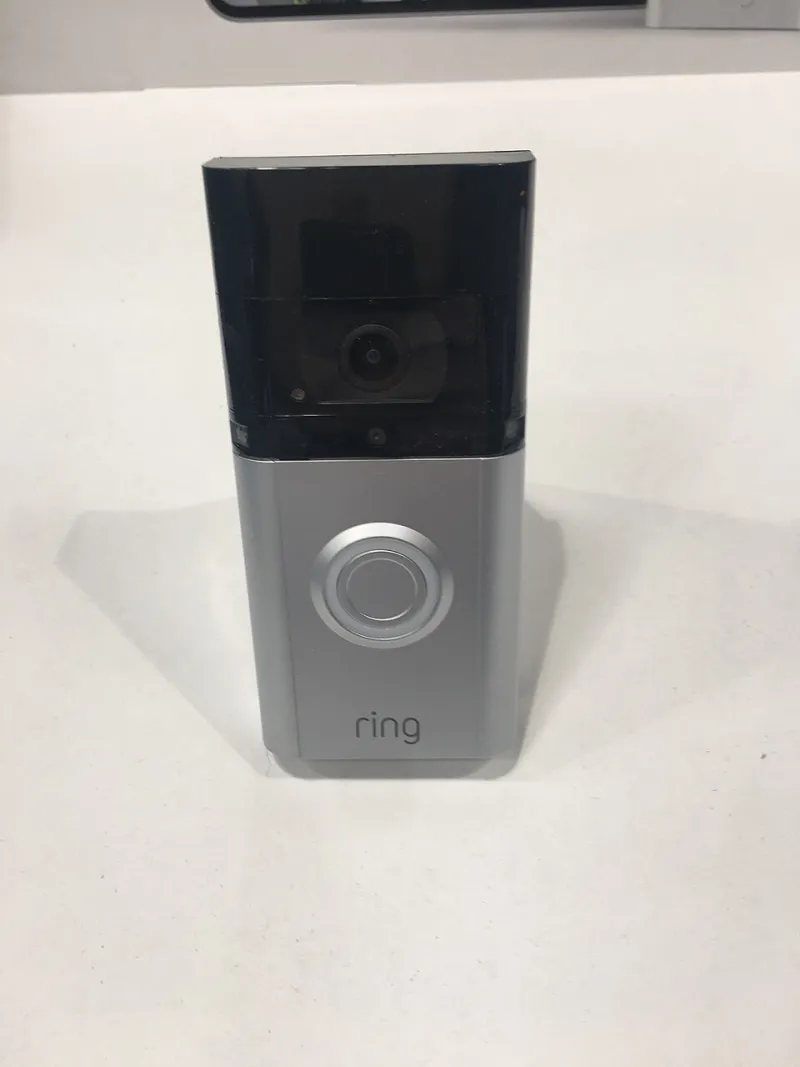
Photo: CrabcakesCreator, CC BY-SA 4.0, via Wikimedia Commons
Let's start with an admission. Cheap consumer doorbell cameras are not a scam. Plenty of them do a genuinely decent job for a genuinely modest outlay, and for a lot of people that's exactly the right call.
But the way they're priced is a small work of misdirection. The number on the shelf — thirty pounds, forty, sometimes less — is not the price of the product. It's the entry fee. What you actually pay depends on how long you keep it and how much you want to be able to see anything afterwards.
This piece is going to be blunt about that, because the five-year view is rarely printed anywhere near the box.
The purchase price is the smallest number on the page
A typical budget doorbell breaks down into four costs, only one of which is advertised:
The device. Say £30–£60.
The subscription. Cloud recording is usually optional in the sense that oxygen is optional. Without it you often get live view and, if you're lucky, a few seconds of clip on a microSD card that someone thought about for eleven minutes during design. The useful tier tends to run £3–£6 a month, or £35–£60 a year. Some brands push you to a higher tier for person detection or longer history.
The battery. If it's a battery model, expect a rechargeable pack to lose meaningful capacity within two to three years. Replacements run £15–£30, and some are proprietary so you can't shop around.
The replacement. These units live outdoors. In Britain. They get rained on, frozen, and cooked behind a south-facing door in July. A three-to-four year lifespan is realistic, and out-of-warranty swaps are on you.
Doing the five-year sum
Here's a modest, fairly typical example — a £45 doorbell on a £4.50 monthly plan, one battery replacement, one unit replacement in year four.
- Device: £45
- Subscription, 60 months at £4.50: £270
- Battery: £22
- Replacement device, year four: £45
- Total: £382
Call it £380 over five years, or roughly £76 a year, for a single camera covering a front door. That's not outrageous. But it's more than twelve times the price on the label, and it's a number most buyers never see before they tap their card.
Now the same exercise on a wired system. A basic four-channel NVR with two cameras, professionally installed, might land between £500 and £900 depending on how much cable pulling is involved. No subscription, local recording, footage that's still there in six years. Per camera it's more expensive up front and considerably cheaper per year thereafter — and unlike the doorbell, it doesn't stop working when the manufacturer decides to sunset the app.
The bit nobody prices: what your footage is actually worth
Here's where I'll get opinionated. A camera that produces unusable evidence has a value of zero, regardless of what you paid for it.
Budget doorbells compress hard. They're built to send a small file over domestic Wi-Fi, and the result is often a smeared 1080p that looks fine on a phone screen and hopeless on a laptop when you're trying to identify a face at eight metres in the rain at 5pm in December. The wide-angle lens is another culprit — a 160-degree field of view sounds generous until you realise a person at the end of your drive occupies about forty pixels.
If your reason for buying a camera is peace of mind, fine. If your reason is that a van got keyed and you want to know who did it, then image quality per pound matters far more than the purchase price. Ask yourself which of those two you actually are before you buy.
When the cheap gadget genuinely makes sense
I'm not going to pretend wired is always right. It isn't.
- Renting and can't drill. Battery doorbells are the pragmatic answer. Just budget for the subscription from day one rather than discovering it later.
- You want to watch a doorstep and a hallway and nothing more. A single doorbell covers that perfectly well.
- You're testing whether you even want cameras. Fine. Buy cheap, learn what you actually need, then spend properly.
- Listed buildings or awkward stone walls where cable runs are a nightmare.
The wrong call is buying a cheap unit expecting premium evidence quality, or buying a subscription-dependent camera for a property you'll own for fifteen years.
GDPR for households: filming shared paths and pavements
This is the bit that gets skipped, and it shouldn't. UK GDPR has a household exemption — domestic processing is largely out of scope — but that exemption is narrower than most people assume. It covers personal and household activity. It does not comfortably cover a camera that sweeps a shared driveway, a communal garden, a neighbour's parking space or the public pavement outside your house.
In practice, for a UK home, sensible behaviour looks like this:
- Aim the camera at your own property. Your door, your path, your drive. Not the street.
- Use privacy masking so neighbouring windows and shared areas are blanked out. Most decent apps have it. Use it.
- Put up a small notice. Something like 'CCTV in operation, recording images for home security' with a contact detail. It's cheap, it's courteous, and it heads off complaints.
- Talk to neighbours before installing, especially if your camera overlooks a shared path. A two-minute conversation prevents a year of friction.
- Don't publish footage of people to social media or the local Facebook group, even if they've annoyed you. That's a separate legal problem and it isn't worth it.
- Keep recordings no longer than you need. Thirty days is a common and defensible default.
- If someone asks about footage of themselves, take it seriously and respond reasonably. You are the data controller for anything outside the pure household exemption.
If you're a business, tenant of a shared building, or filming anything beyond the boundary of your own home, get proper advice. The household exemption will not stretch that far, and the ICO has been clear about it.
The verdict
Buy the £30 doorbell if you want to see who's at the door, you're renting, or you're experimenting. Go in knowing the real five-year figure is closer to £380 and that you're renting software as much as buying hardware.
If you're staying put and you want footage that would actually hold up in an insurance claim or a police report, put the money into a wired system with local recording. It costs more on day one and less every day after — and it won't stop working because someone in a product meeting decided the app was now legacy.
Either way, do the sums before you buy, not after.