The Cold-Weather Tax on Wire-Free CCTV: A Battery Camera Reality Check
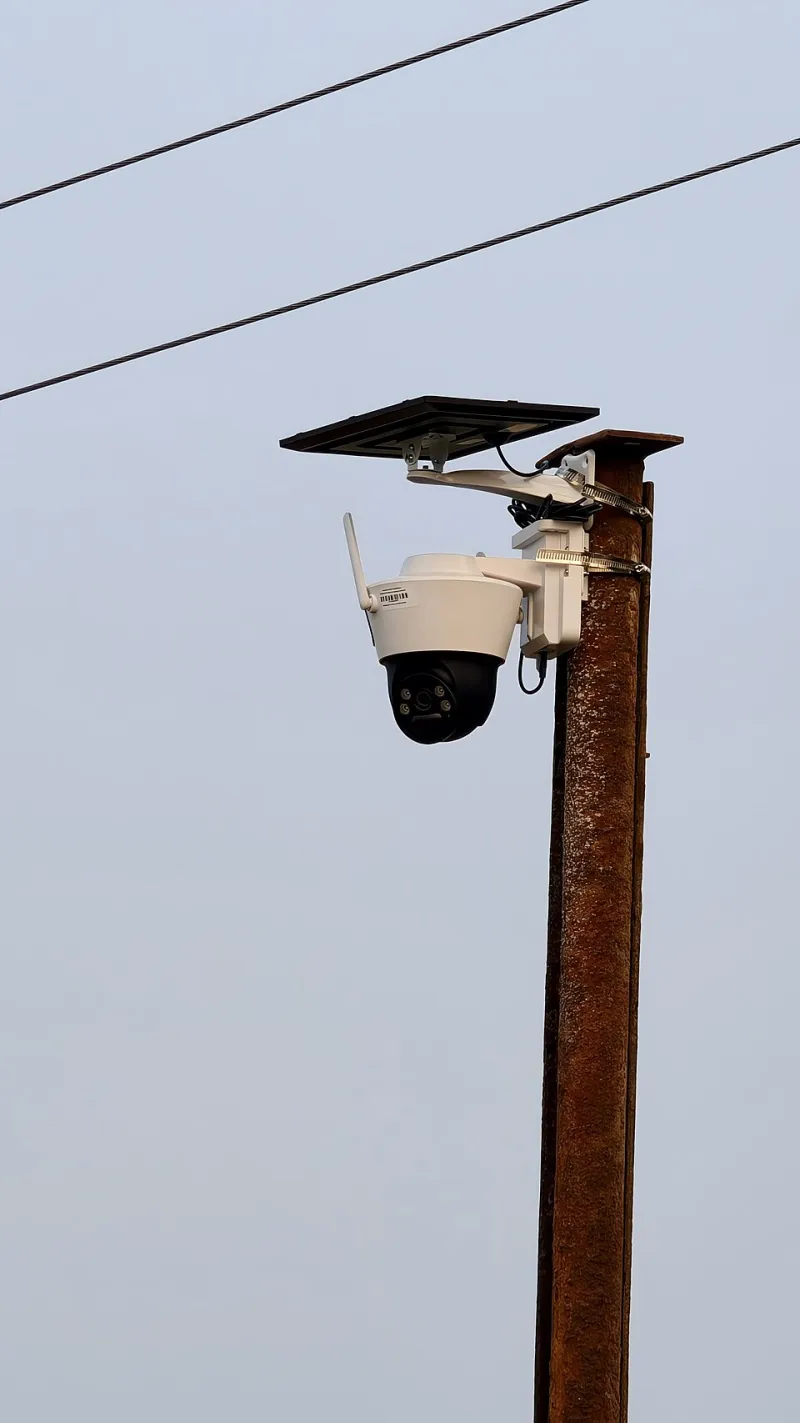
Photo: Eyetechsecurities, CC BY 4.0, via Wikimedia Commons
Battery cameras have a brilliant sales pitch: no cable, no electrician, no fuss. Stick one above the front door, pair it with an app, and you are a security professional in an afternoon. That pitch is not dishonest, but it is incomplete. A British winter is where wire-free CCTV gets tested, and it is usually the battery that feels the strain first.
Cold does not kill the battery; it changes the terms
A lithium-ion cell does not lose all its capacity the moment the temperature drops. What happens is less dramatic and more annoying. Cold increases internal resistance, so the battery struggles to deliver the voltage the camera needs. The app might still show 40 per cent, but the camera can cut out early because the voltage sags under load. Add infrared LEDs, a PIR sensor waking up more often, and a Wi-Fi signal that has to push through a wet brick wall, and the usable run time shrinks.
The manufacturer's figure is usually measured in a lab at room temperature. Your camera lives on a north-facing wall in Sheffield. Those are not the same test.
The recharge calendar nobody prints
A wire-free camera might advertise three to six months between charges. In summer, with fewer triggers and longer daylight, that can be roughly true. In winter, many owners find themselves charging every three to six weeks. A camera covering a busy path, a driveway or a shop entrance can do worse.
This is not a fault. It is chemistry plus weather plus use. The problem is that the recharge cycle is invisible until you own the camera. Then it becomes a small recurring job that always seems to arrive on a wet Sunday.
The gap between 'low battery' and 'back on the wall'
Here is the part that rarely makes the brochure: while the camera is indoors charging, it is not watching. If you have one battery and no spare, your front door has a blind spot for however long the charge takes, plus the time it takes you to remember, find the ladder and clip it back on.
For a household, that might mean missing a parcel theft or a late-night visitor. For a small shop, it might mean a gap in the till area during exactly the week someone decides to test the till. The footage you need is often the footage from the camera that was on the charger.
A spare battery solves most of this. It costs money, but it turns a two-hour outage into a two-minute swap. If the camera supports a solar panel, that helps too, though a British December is not a solar farm. Treat solar as a top-up, not a guarantee.
The three-winter sum
On paper, a battery camera looks cheaper than a wired one. In practice, the three-winter cost includes more than the box. You may buy a second battery, a better charger, a solar panel, mounting bits, and replacement batteries as the original cells age. You also spend time on ladders, checking Wi-Fi, re-pairing the app and reviewing why the camera went offline again.
None of that is catastrophic. But it should be in the decision. A wired camera with a proper power supply usually costs more upfront and less in attention. A battery camera costs less upfront and more in small interruptions. Which is better depends on whether your time and your coverage gaps matter more than the installation bill.
Where wire-free still earns its keep
There are plenty of places where a battery camera is the right answer. Renters who cannot drill or run cable. Listed buildings. Sheds and garages at the end of a garden. A temporary camera on a building site. A flat where the front door is a communal corridor and power is not yours to use. In those cases, a wire-free setup is not a compromise; it is the only practical option.
A winter routine that costs less than a new camera
Before the first cold snap, charge every battery to full and label each one with the date. Buy one spare if you can. Reduce unnecessary live viewing, because waking the camera to watch the bin collection drains the cell. Check the Wi-Fi signal at the camera's actual mounting point, not in the kitchen. Clear spider webs and dirt from the lens and PIR window. And write down how long each charge really lasts, so next winter you are planning rather than reacting.
Battery CCTV is not a con. It is a trade. The cold-weather tax is real, but it is manageable if you know you are paying it.