The Deposit-Safe Camera: CCTV for UK Renters Who Can't Drill

Photo: David from Washington, DC, CC BY 2.0, via Wikimedia Commons
Renting a flat and wanting a camera is a very modern dilemma. You want to know who knocked, who parked in your space, or whether the parcel really vanished. Your landlord wants no holes in the wall. Your deposit wants a quiet life. The good news is that you can usually get some useful coverage without turning the place into a building site. The less good news is that no-drill does not mean no rules.
Read the tenancy agreement before you buy anything
Start with the paperwork, not the product page. Most assured shorthold tenancies have a clause about alterations, fixtures and fittings, or not damaging the property. A camera stuck to a window with a suction cup may look harmless, but adhesive pads can lift paint, leave residue or pull a chunk out of a cheap window frame. If the agreement says no alterations without consent, ask for consent in writing even if you are not drilling.
Email the landlord or letting agent. Describe the kit, where it will go, how it will be fixed, and how you will remove it. Keep the reply. If they say yes, save that email somewhere sensible. If they say no, believe them the first time. A deposit dispute is much easier to win when you have a clear written trail and photos of the wall before and after.
If you are in a block of flats, remember there may be a freeholder or management company as well as your landlord. Communal hallways, front doors, bin stores and parking areas are not yours to decorate with cameras. That does not automatically rule out a doorbell camera, but it does mean you should ask before fixing anything to a shared surface.
No-drill mounts that actually work, and where they fall down
Adhesive mounts are fine for lightweight battery cameras if you follow the instructions. Clean the surface, let it dry, press firmly, and give the adhesive time to cure before hanging the camera. Avoid textured brick, damp render, or anything that gets hot in direct sun. Test the mount with the camera attached before you trust it. A camera that falls onto a tiled floor is a worse deposit problem than a small screw hole.
Window mounts are the classic renter's compromise. Suction cups or clamp-style brackets hold a camera against the inside of the glass, pointing out. They are removable, usually cheap and require no tools. The catch is night vision. Infrared light reflects off glass, so you often get a bright white blur instead of a useful image. Some cameras have a window mode that turns off the IR LEDs, but then you need decent street lighting or a separate light source. A blackout surround around the lens can help, but it is not magic.
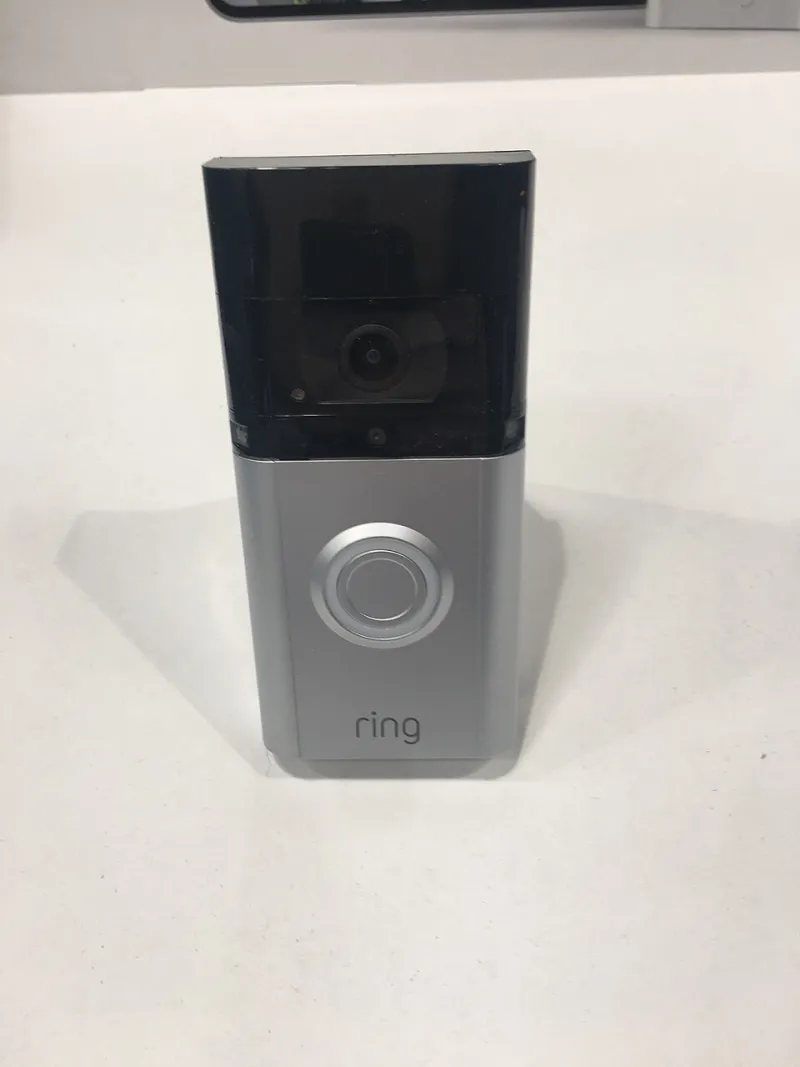
For front doors, a peephole camera or a door-viewer replacement can work if it is genuinely reversible and your landlord agrees. A battery video doorbell stuck to a communal door with adhesive is more questionable. It may breach the building's rules, annoy neighbours, and fall off in the rain. If the door is shared, ask first.
The window camera is not a free pass
A camera inside your flat, pointing out of your own window, can be the least invasive option. It can also see more than you think. Before you leave it running, look at the live view and ask what is actually in frame. Are you capturing next door's kitchen? A neighbour's front door? The pavement outside a school? A communal hallway where people expect privacy?
Angle the camera down and keep it tight to your own doorstep, garden or allocated parking space. Use privacy masks if the camera app offers them. Turn off audio unless you really need it, because microphones pick up conversations that are none of your business. In a flat, sound travels. A camera that records every time someone walks past can create a lot of footage of people who have nothing to do with your security.
If your camera covers a shared area or the public pavement, you are edging away from a simple domestic setup. That does not mean it is automatically unlawful, but it does mean you should think about UK GDPR and the Information Commissioner's Office guidance rather than assuming a household exemption covers everything. Keep retention short, secure the account with a strong password, and do not put clips on social media.
Neighbours, communal doors and the awkward conversation
Flats are close quarters. A camera that makes you feel safer can make the person opposite feel watched. Talk to neighbours before you install anything that points near their home. Most people are reasonable if you explain what it covers and offer to adjust the angle. If someone objects, take it seriously. You do not need a legal fight over a £40 camera.
If you live in a building with a shared entrance, check the lease or building rules. Some management companies ban cameras on communal doors outright. Others allow them if they do not point at another flat. A quick email to the managing agent is cheaper than removing a doorbell under protest.
Leaving without leaving a mark
When you move out, remove the camera and every mount. Clean adhesive residue properly rather than scraping it off with a knife. Take dated photos of the wall or window after removal. Cancel cloud subscriptions and delete old footage you no longer need. If you have shared access with a landlord or letting agent, remove their access too.
A deposit-safe camera setup is not just about avoiding holes. It is about permission, placement and a clean exit. Get the agreement in writing, keep the kit removable, point it at your own space, and leave the flat as you found it. That is a much better security plan than hoping nobody notices.
A quick renter's checklist
- Check the tenancy agreement for alteration and fixture clauses.
- Ask the landlord or agent for written permission before fitting anything.
- For communal areas, ask the freeholder or managing agent as well.
- Choose adhesive or window mounts only for lightweight cameras.
- Test night vision through glass before relying on it.
- Point the camera at your own door, garden or parking space.
- Disable audio if you do not need it.
- Talk to neighbours if the view reaches their property.
- Keep footage for days or weeks, not years.
- Remove everything at the end and photograph the result.