Fencing With the Neighbours: When Your Camera Sees Too Much of Next Door
Photo: Anthony O'Neil , CC BY-SA 2.0, via Wikimedia Commons
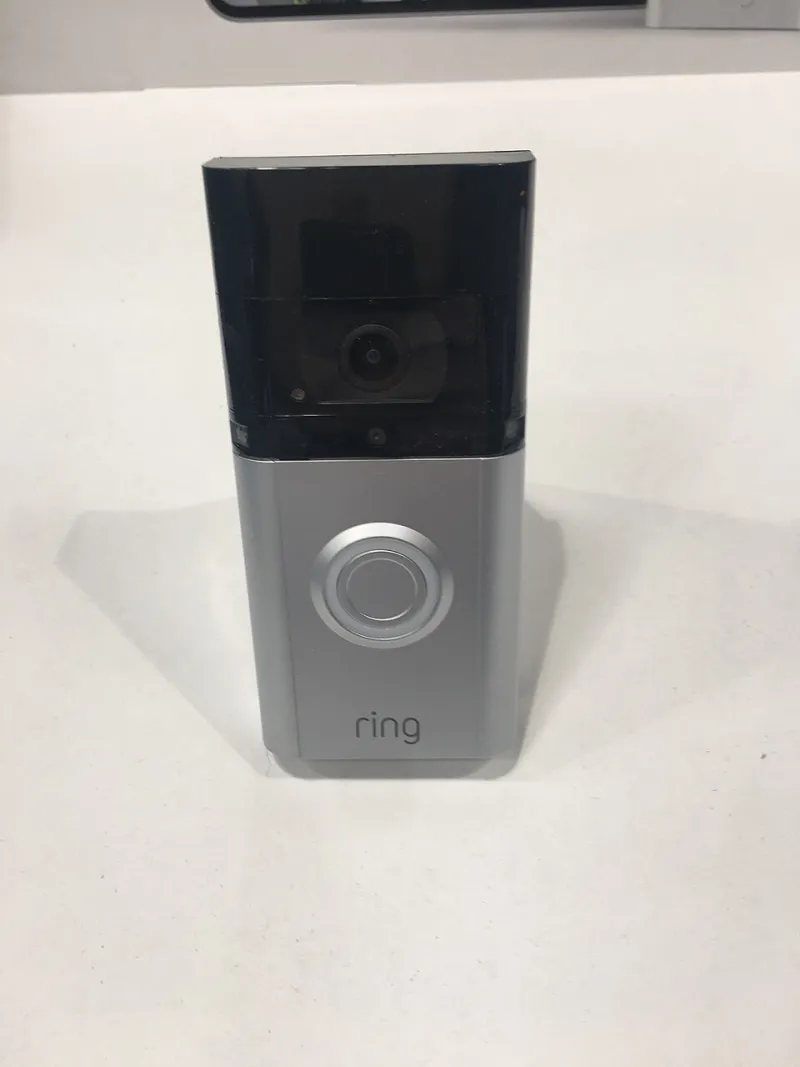
There is a very specific moment that kicks off a lot of neighbourhood trouble. You have bought a camera to keep an eye on the van, the bikes, the back gate. You drill the holes, screw the bracket to the wall, open the app — and there it is, beautifully sharp in 2K: next door's patio, their kitchen window, and a clear view of the rotary washing line.
Nothing dodgy was intended. That is what makes it so awkward. But a camera that watches someone else's garden every day of the year is a different thing from a camera that watches your own, and it is worth understanding why before a neighbour knocks, or worse, sends a letter.
First, there is no 'CCTV Act'
People often go looking for a single law that says how far a domestic camera may point. It does not exist. Instead, a handful of different rules can all apply at once:
- Data protection law — the UK GDPR and the Data Protection Act 2018.
- Harassment — the Protection from Harassment Act 1997.
- Privacy — misuse of private information, and Article 8 of the Human Rights Act.
- Planning — usually permitted development for a house, but different on flats, listed buildings and conservation areas.
- Criminal offences — voyeurism under section 67 of the Sexual Offences Act 2003, in the most serious cases.
Scotland and Northern Ireland have their own wrinkles here, but the shape of the argument is broadly the same.
Where the household exemption runs out
This is the bit worth knowing properly. Data protection law has a household exemption: if your camera is genuinely only recording your own property, for domestic purposes, the GDPR does not apply to you.
The Information Commissioner's Office is clear that this exemption stops at your boundary. Once your lens picks up a neighbour's garden, a shared alley, or the pavement outside, the ICO's position is that data protection law can apply to that footage. Not because you have done something wicked, but because you are now processing other people's personal data.
In practice that means a few sensible things: put up a sign saying a camera is recording, keep footage no longer than you actually need it, do not plaster clips across social media, and take a subject access request seriously if one arrives.
Will the ICO send an inspector round over a doorbell pointing the wrong way? Almost never. Domestic cases are not where their enforcement budget goes. But a complaint logged with the ICO is a real thing that exists, and it becomes evidence in whatever argument follows.
What people actually end up in court over
Data protection is rarely the headline. Harassment usually is.
The Protection from Harassment Act requires a course of conduct — two or more occasions — that a reasonable person would consider harassing. A camera that quietly films a neighbour's comings and goings for months can, in the right circumstances, be argued as monitoring rather than security.
There is a well-known county court example from 2021, Fairhurst v Woodard, involving a smart doorbell and other cameras that overlooked a neighbour's home and garden. The court found harassment and awarded damages. It was not a giant corporate case; it was two households and a lot of footage. That is the risk profile most people should be thinking about.
At the far end, filming into someone's windows to capture private moments can stray into voyeurism territory. That is rare, it is serious, and it is a matter for a solicitor rather than a blog post.
The audio problem nobody thinks about
Almost every consumer camera ships with a microphone, and most of them have it switched on by default. Video of a garden path is one thing. Audio of a family's Sunday afternoon in their own garden is quite another, and it is much harder to justify.
If you would not be comfortable with your neighbour hearing your back garden, switch the mic off. It is one toggle in the settings and it removes an entire category of complaint.
Where the real risk sits
Here is the honest version: the risk is not a fine. It is the dispute.
Boundary rows are miserable. They escalate, they poison the street, and they are expensive if they ever reach a solicitor. A camera can turn a small irritation about a hedge into a two-year campaign of letters. The footage rarely gets anyone prosecuted; it mostly gets everyone angrier.
That is why the cheapest fixes are worth doing even if you are fairly sure you are in the right.
Fixes, from free to mildly annoying
Use the privacy masks. Every decent app has them. Draw them over next door's windows, patio and garden gate. They are imperfect — a determined person can remove them, and they do not help if the camera moves in high wind — but they demonstrate good faith, which is worth a lot.
Reposition before you buy anything new. Dropping the camera 30cm and angling it downwards tightens the view considerably. A camera at eaves height looking flat across a fence sees everything; a camera at first-floor level looking at your own path sees your own path.
Change the lens, not the camera. A 2.8mm lens is wide and greedy. A 4mm or 6mm gives a tighter, more purposeful view of your own boundary. If the camera is fixed, many apps let you crop the recorded image, which does a similar job less elegantly.
Watch the night vision. Infrared spills over fences and lights up a neighbour's wall in an eerie glow. It is the single most complained-about symptom, and it is usually solved by tilting down a few degrees.
Cut retention. Ninety days of next door's garden is hard to justify. Seven to fourteen days covers almost every realistic security need.
The five-minute conversation that saves months
Before you drill, and certainly after you have noticed the view is wider than you thought, knock on the door. Show them the live view on your phone. Ask whether anything in it bothers them. Offer to mask it there and then.
Most people are completely fine once they can see what the camera sees and understand that nobody is watching them specifically. The conversation costs you ten minutes. Skipping it can cost you a year.
Pre-drill checklist
- Stand where the camera will go and look at the live view on your phone, not at the wall.
- Scan for next door's windows, patio, shed, greenhouse and garden gate.
- Check what the night vision illuminates after dark — the IR glow can reach further than the daylight image suggests.
- Confirm whether audio is on, and whether you need it at all.
- Ask whether children use the space being captured.
- Check the camera's field of view after a windy night; brackets drift.
- Put up a sign if the view reaches beyond your boundary.
- Set a retention period you could justify out loud.
- Write down the date you adjusted it, and keep a screenshot of the masked view.
- If it is a flat, a listed building or a conservation area, check permission before the drill comes out.
None of this is about being timid. A camera is a reasonable thing to own in 2026, and most neighbours could not care less. But a camera that quietly watches someone else's garden for months is the sort of thing that turns a street into a feud — and the fix is usually a tilt, a mask and a knock on the door.