The Clip That Catches Nothing: Framing Your Doorstep for Parcel Theft Season
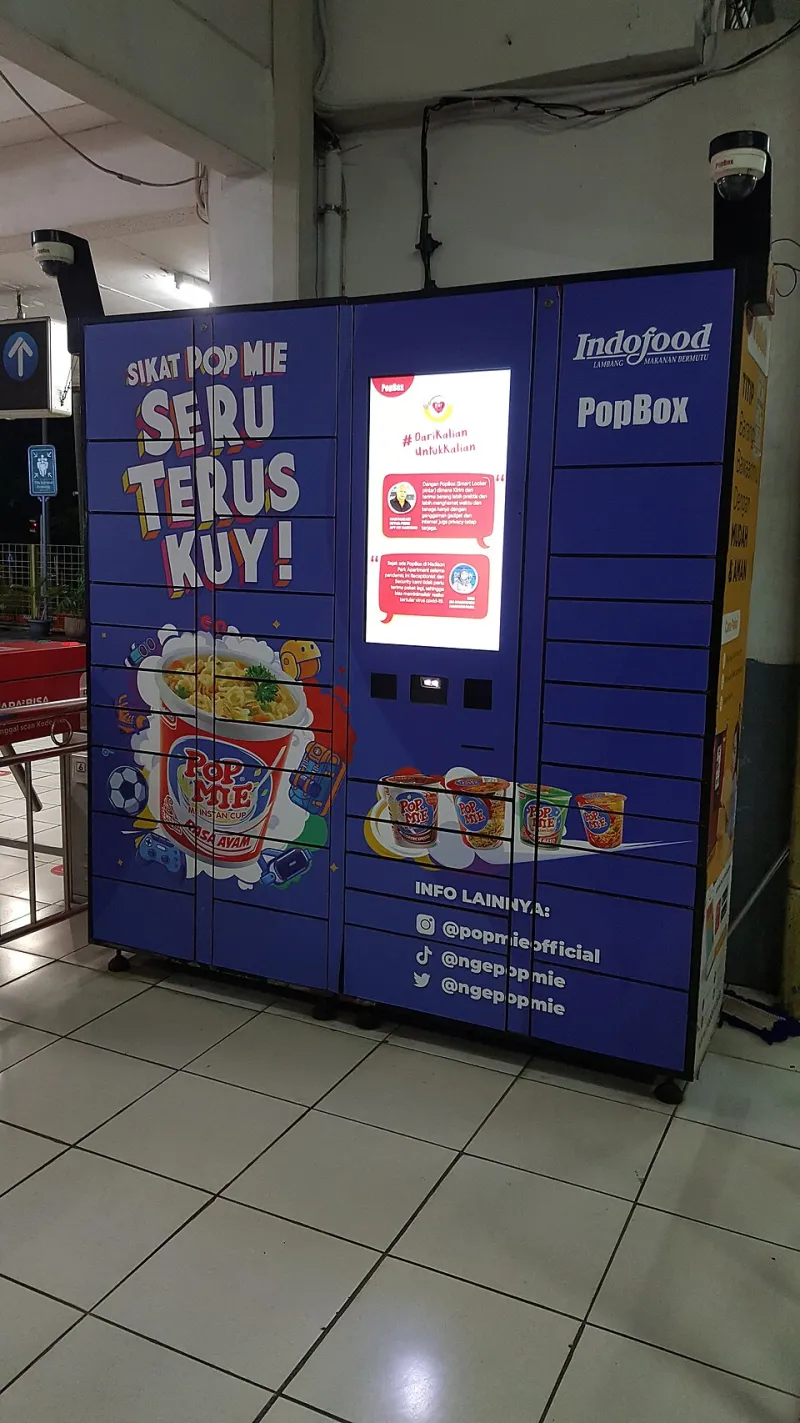
Photo: Hanif Al Husaini, CC BY 3.0, via Wikimedia Commons
It is dark by half four, the couriers are running late, and there is a stack of deliveries heading your way between now and Christmas. Which means it is also the season for the specific disappointment of opening the app, finding a clip of someone in a hood taking a box off your step, and realising the footage is worthless.
Not worthless because nothing was recorded. Worthless because the face is a blur, the timestamp is wrong, and the parcel was already in their hands by the time the camera woke up.
This is a guide to framing, not shopping. You can spend £300 on a camera and still get a clip that helps nobody. You can also get a genuinely useful result from kit you already own with one afternoon's adjustment.
Why the doorbell clip so often misses
A doorbell camera sits around chest height, uses a very wide lens, and points straight out at whatever is opposite. It is designed to show you who is at the door and to make a wide porch look wide. Those are not the same as the design goals of an evidence camera.
Three things conspire against you. First, the wide lens pushes faces to the edge of the frame where they are most distorted. Second, motion detection usually triggers as someone arrives — so the recording starts after they have already bent down. Third, the interesting bit happens below the camera's centre line, where the step is.
Battery-powered doorbells make it worse. They wake up, connect, and start recording. By the time the file opens, the person is walking away.
Two angles beat one good angle
If you take one thing from this, take this: the most reliable setup is a wide overview plus a tight detail shot.
Camera one, the overview. A mains-powered camera covering the whole frontage — gate, path, doorstep, and a slice of the road if you can manage it. Mount it at 2.5 to 3 metres, tilt it down 30 to 40 degrees. This tells you what happened, when, and which direction someone left in.
Camera two, the detail. A doorbell camera or a small camera at head height, close enough that a face fills a decent chunk of the frame. This tells you who it was.
On their own, either one leaves a gap. Together, the two clips cover each other's weaknesses, and a pair of matching timestamps is far more convincing than one shaky fisheye.
Framing for a face you could actually recognise
The ideal identification shot has the subject roughly two to three metres from the lens, facing it, at about the camera's own height. That means the camera wants to look slightly down at someone standing at your door — not down at their hood.
Practical moves:
- Aim so the top of the frame sits above head height and the bottom sits on the doorstep itself.
- Keep the door out of shot where possible; the recess creates a shadow that swallows faces.
- Angle the camera to catch people on the approach as well as at the door.
- Test it with a volunteer in a hood, at night, in the rain. If you cannot identify your own friend, the setup needs work.
- Check the night image specifically. Infrared bouncing off a nearby wall can wash a face out to a white blob.
The number plate problem
Plenty of people buy a camera hoping it will read the van's registration. Most will not.
Reading a plate properly needs a short shutter speed, a low mounting angle so the plate stays roughly square-on rather than keystoned, and enough resolution at distance. Ordinary security cameras, particularly at night, produce a smear of white where the plate should be.
Even if you do get a clean plate, it only helps if the police can tie it to a person. Treat plate capture as a bonus, not a plan. The face and the direction of travel are what matter.
The boring settings that decide whether it counts
Footage is only evidence if it is trustworthy, and that starts with the clock.
- Sync the time. Enable network time sync. Drift of ten minutes is enough for a defence to argue the clip is from a different visit.
- Record continuously if you can. Event-only recording is exactly the mode that misses the moment. If continuous is not possible, enable any pre-record buffer your camera offers.
- Keep at least 14 to 30 days. Forces vary, but a delay of a fortnight before you notice and report is normal.
- Export the original file. Do not film your phone screen playing the app. Download the native clip with its metadata, keep a copy, and hand over the original.
- Do not edit, crop for social media, or add captions. If you post it online, you may also be handling someone's personal data in a way that gets awkward — and you risk prejudicing your own case.
What the police and the retailer each want
When you report a theft, you will usually be asked for the time, the location, a description, and footage. Get a crime reference number — 101 or the force's online reporting form both work — because you will need it for the next part.
For the retailer, the strongest package is the delivery photo, the courier's GPS data and your own clip showing that nobody took it in. A retailer is not obliged to accept a blurry hood, so lead with the delivery evidence: where was the photo taken, does it show your door, is the parcel visible in it? If it was left in a 'safe place' you did not agree to, say so plainly.
If the retailer stonewalls, a card payment over £100 on a credit card gives you Section 75 rights; below that, ask your bank about chargeback. Both are quicker when you have a crime reference and a timestamped clip.
Realistic expectations about deterrence
A visible camera and a bit of signage does put off the opportunist who was going to try their luck. It does nothing much against a team working the same street in a car with a boot full of boxes.
So do not buy a camera expecting the parcel to stay put. Buy it because you want a record — and then reduce the amount of parcel sitting on your step in the first place.
Better places for a parcel to land
- A lockable parcel box bolted to the wall. Cheaper than most cameras and it removes the problem rather than documenting it.
- Lockers and collection points — InPost, Amazon Hub, DPD Pickup shops, Evri ParcelShops. Reroute the regular deliveries you can predict.
- A named neighbour, agreed in advance and set in the courier app's delivery preferences.
- Your workplace, if the commute allows, for anything valuable.
- Timed or evening slots where offered, and signature-required options for high-value items.
- Safeplace instructions — Royal Mail will follow them, but you carry the risk if it goes wrong, so pick a spot the street cannot see.
A ten-minute pre-Christmas check
Stand at your door and look out. Can you see the doorstep in the camera view? Is the clock right? Does audio need to be on at all? Are the notifications reaching you before the parcel does? Is there anywhere on the path where someone could stand unseen?
Fix those four things this week and you will be ahead of most of the street by December. The footage will not stop the box going missing — but it might be the difference between a refund and a shrug.