Camera Placement for Small Shops: Watch the Till, Not the Tea Room
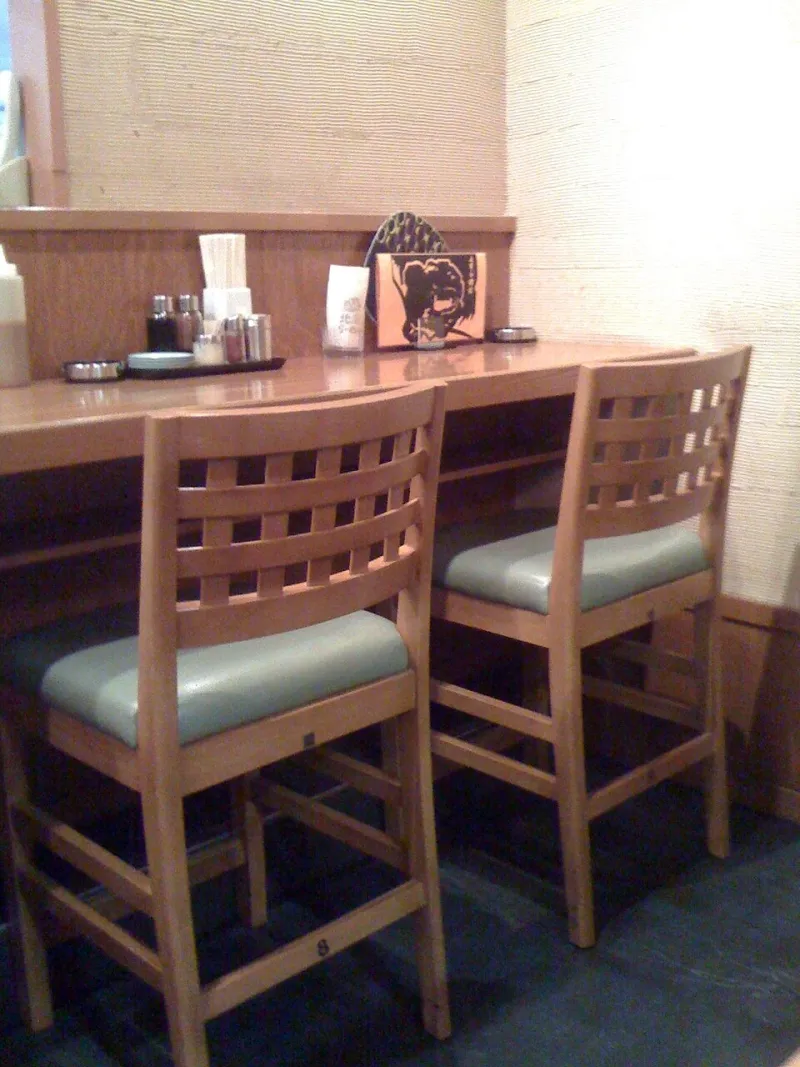
Photo: kimubert, CC BY-SA 2.0, via Wikimedia Commons
There's a particular kind of shop CCTV setup I've seen far too often. Four cameras, all working, all recording, and not one of them framed in a way that would help anybody. There's a lovely clear shot of the ceiling tiles above the counter. There's a perfect view of the back of a fridge. And there is, inevitably, a camera trained on the staff break area, which is the one place in the building nobody needed to see.
The frustrating part is that the hardware is usually fine. It's the layout that's wrong. So here's an opinionated, practical plan for a small UK retailer — a convenience store, a café, a barber, a little independent — that puts cameras where crime actually happens and keeps them out of where people eat their lunch.
Start at the till, not the ceiling
The single most useful camera in a small shop is the one over the till point. Not because staff are the threat — because the till is where money, card details, refunds and most customer disputes physically happen. If you only fit one camera, fit it there.
Everything else in the plan is secondary to that.
Camera one: the door, looking in
Entrance cameras should face into the shop, not out across the pavement. Two reasons. First, a camera pointed outward mostly films the street, which is both less useful to you and more of a data protection question than it needs to be. Second, a camera looking in gets faces as people come through the door, in consistent light, at a workable distance.
Mount it high enough to be out of reach but low enough to catch a face rather than the top of a hood. A camera at 3.5 metres with a wide lens gives you a lovely view of everyone's haircut and nothing else. Around 2.4 to 2.8 metres, angled slightly down, is the usual sweet spot.
If you can manage it, a second angle on the door — an internal one looking across the threshold — is worth more than a third aisle camera.
Camera two: the till, looking down
The till camera should sit above and slightly in front of the counter, angled down at roughly 45 degrees, framing the counter surface, the card terminal and the hands of whoever is serving. You want the transaction, not a portrait.
A few things that make the difference between 'evidence' and 'a video of a person existing':
- Get close enough. If you can't tell a twenty from a ten in the footage, the camera is too far away.
- Include the card reader in frame. Chargeback disputes are far more common than robberies.
- Keep the lens out of direct window glare. A till camera that's blown out at 3pm in July is a till camera that's useless half the year.
- Don't point it at the staff member's face from 40cm. Above and behind the shoulder is more useful and considerably less grim to work with.
Cameras three and four: aisles and the stockroom
Aisles are where shoplifting lives, so cover the high-value ones — spirits, tobacco if you sell it, cosmetics, meat — rather than trying to cover every square metre. Two wide cameras at opposite ends of a small sales floor beat six cameras fighting over the same three metres of shelving.
In the stockroom, the useful angles are the door and the delivery bay, not the middle of the room. You're covering comings and goings, and you're covering the point where stock enters and leaves.
Externally, a single camera on the back door and one covering the bins is usually enough. Bin areas attract a surprising amount of nonsense.
The rooms you leave alone
Here's where most DIY layouts go wrong. Do not put cameras in the staff break room. Not the kitchen, not the area with the table and the microwave, not the corner where someone takes a personal call. Don't cover the toilets or the corridor outside them. Don't put one in the back office where payroll and rotas get discussed.
It isn't only about goodwill, although goodwill matters when you're trying to keep staff. It's that coverage of those spaces is hard to justify as proportionate to any genuine security purpose, and it's exactly the kind of thing that turns a routine request into an argument. If you have a safe in the office, cover the safe and the door to the room. The desk, the chairs and the biscuit tin can look after themselves.
Staff should also know the system exists and roughly what it covers. Cameras hidden from employees are a much bigger problem than cameras hidden from shoplifters.
Audio: leave it off
Most modern cameras record sound by default, and most installers never mention it. Turning it on changes the character of the system entirely — you're now capturing conversations, not just movement — and it's very hard to justify for a shop floor. Switch it off in the camera settings and check that it stayed off after the last firmware update.
Why your clip is useless three weeks later
Two technical habits decide whether footage from a fortnight ago is evidence or noise.
Time sync. Every camera and the recorder should pull the time automatically from the network. If the till camera is four minutes ahead and the door camera is eleven minutes behind, you've got a timeline that falls apart the moment anyone asks 'what time did they come in?' Check it quarterly. It drifts.
Retention. Two to four weeks is the normal, sensible window for a small shop. What matters is that it's deliberate and that the recorder overwrites on schedule, so the storage never silently stops recording because the disk filled up and nobody noticed. Test it: pull a clip from fourteen days ago and see if it's there.
When the police ask for footage
You'll get a request, and the way you handle it decides whether the clip is usable in a case.
Export the original file in the recorder's native format, not a phone recording of a monitor. Don't crop, don't zoom, don't add captions, don't 'improve' it. Copy it, keep the master, hand over a copy. Write down what you gave, to whom, when, and which camera and time range it covered. If the officer asks you to email it, use a proper file transfer rather than a messaging app that compresses video to mush. And don't post it on the shop's Facebook page while the investigation is live — it has a habit of becoming the defence's favourite document.
A shopping list for a small shop
- One camera at the entrance, facing in.
- One close, angled camera over the till and card terminal.
- One or two covering the high-value aisles.
- One on the stockroom door and delivery point.
- One external on the back door and bins.
That's four to six cameras, a recorder with a properly configured overwrite period and a synced clock. It will outperform a twelve-camera setup pointed at the wrong things — and it won't film anyone's tea break, which is the whole point.